

Built to Last: Why Remodeling in Spokane Means Building for the Long Haul
Spokane is a beautiful place to live. Four real seasons, a tight-knit community, and homes with genuine character. But that character comes with a catch: our climate and the age of our housing stock put homes under constant pressure.
If you own a home here, you already know that what works in milder parts of the country doesn’t always cut it in Eastern Washington. Smart remodeling isn’t just about updating a kitchen or adding a bathroom. It’s about making sure your home is still standing strong, and still worth living in, twenty years from now.
Hug Difference
We remodel for Spokane. Snow and ice dams, spring moisture, summer heat, pests, old systems, and structural movement all get addressed before we dress anything up. That is how a remodel lasts here.
Snow: More Than An Inconvenience
Spokane averages 48 inches of snow during the winter months City of Spokane, and that weight adds up. Literally. Flat or low-slope roof sections, aging rafters, and compromised attic insulation are all vulnerable to the kind of heavy, wet snow we see in late winter.
Over time, repeated freeze-thaw cycles work their way into any small gap: around windows, under siding, along roof flashing. Water gets in, freezes, expands, and the damage compounds season after season.
A remodel done right accounts for this. That means properly ventilated attic spaces, ice-and-water shield membrane on roof edges, and exterior finishes that can handle expansion and contraction without cracking. It means not just fixing what’s visibly broken, but understanding why it broke in the first place.
One of the most destructive and least understood consequences of our winters is the ice dam. When heat escapes through an inadequately insulated attic, it warms the roof deck and melts the underside of the snowpack. That meltwater runs down toward the cold eaves, refreezes, and forms a ridge of ice that traps the next wave of meltwater behind it. With nowhere to go, that standing water backs up under shingles and into the home. The result is often water-stained ceilings, soaked insulation, rotted sheathing, and damaged interior walls. Left unaddressed, it can compromise the structural integrity of the roof assembly itself. Homeowners who experience repeated ice dam events frequently end up facing either a forced remodel to repair the accumulated damage or a costly insurance claim, and in many cases both. Insurers are also increasingly scrutinizing ice dam claims, and repeated incidents can affect coverage over time.
The fix isn’t just removing the ice. It’s addressing the root cause: improving attic insulation to keep heat where it belongs, ensuring proper ventilation so the roof deck stays uniformly cold, and sealing air leaks that allow warm interior air to escape in the first place. A remodel that touches the roof or attic is an opportunity to solve this problem for good rather than patch it season after season.
Rain and Moisture: The Slow Damage You Don’t See
Crawl spaces are one of the biggest culprits. Inadequate vapor barriers, poor drainage grading around the foundation, and vents that let humid air cycle through unchecked all contribute to wood rot, mold, and structural deterioration happening quietly beneath your feet.
Exterior moisture intrusion is just as common. Old caulking around windows and doors, failing paint on wood siding, and improperly flashed additions are all open invitations for water to work its way inside. By the time you see a stain on the ceiling or feel soft flooring, the damage has usually been building for years. Remodeling is an opportunity to address the root causes, not just cover them up.
Spokane isn’t the Pacific Northwest coast, but we see enough rain, especially in spring, to cause serious moisture problems in homes that aren’t properly protected.
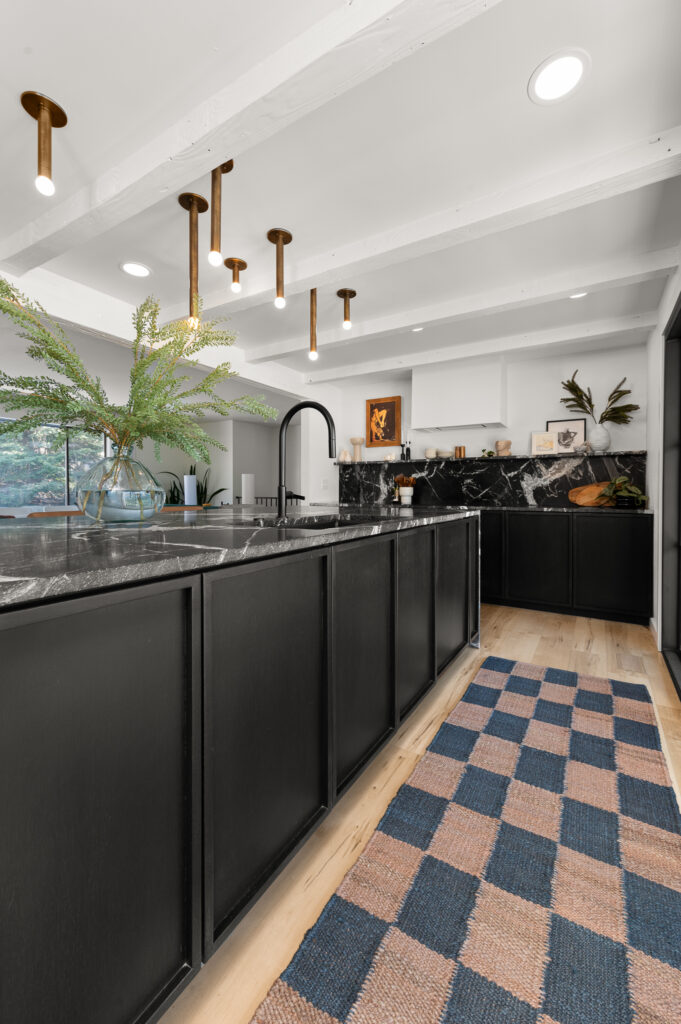
Remodeling is an opportunity to address the root causes,
not just cover them up.
Heat: A Season People Forget to Plan For
Spokane summers regularly reach 80 to 90 degrees, and the region’s all-time recorded high hit 109°F on June 29, 2021. City of Spokane Summer 2024 ranked as the third hottest on record, with seven days at or above 100°F and a record-breaking July average high of 92.6°F.
KREM Older homes, especially those built before the 1990s, were not designed with that kind of heat in mind. Attic temperatures can exceed 150°F on a hot July afternoon, which accelerates the breakdown of roofing materials, stresses HVAC systems, and makes upper floors genuinely uncomfortable to live in.
Proper insulation, attic ventilation, and energy-efficient windows aren’t luxury upgrades in Spokane. They’re practical necessities. A remodel that ignores how a home handles summer heat is an incomplete remodel.
Pests That Don’t Die Off
Unlike more extreme climates, Spokane’s winters aren’t always cold enough, long enough, to kill off pest populations the way people assume. Carpenter ants are rated the number one structural insect pest in many areas of the Pacific Northwest, known for constructing nests inside dwellings, particularly in crawl spaces, attics, and walls. Pacific Northwest Pest Management Handbooks Termites are active year-round in the Northwest. In fall they find warm conditions underground, and when winter hits they remain in those warm living conditions while awaiting spring. PnwpestcontrolRodents are a persistent concern as well, finding their way in through the same gaps and deteriorating wood that let moisture enter.
When remodeling, this is the moment to address those entry points. Replacing rotted sill plates, sealing penetrations, and using pest-resistant materials where appropriate aren’t upsells. They’re the difference between a remodel that holds up and one that needs to be redone in five years.
Old and Aging Homes: Keeping What You Have Alive
A significant portion of Spokane’s housing stock was built between the 1920s and the 1970s. These homes have real bones. Solid framing, thick plaster walls, quality old-growth lumber in many cases. But they also carry the wear of decades, and the systems inside them were designed for a different era.
Knob-and-tube wiring, galvanized plumbing, single-pane windows, and undersized electrical panels are all common finds in Spokane homes of this age. A cosmetic remodel that ignores these systems is building on a shaky foundation, sometimes literally. The goal should be to honor what’s worth keeping while bringing the home’s infrastructure up to a standard that protects both its occupants and its long-term value.
Structural Stability: What You Can’t Afford to Ignore
Settling, shifting, and foundation movement are realities in Spokane’s soil conditions, which can include expansive clay in some areas and looser fill in others. Doors that stick, cracks in drywall near window corners, and uneven floors aren’t just cosmetic annoyances. They’re often early indicators of structural movement that needs to be understood before any remodeling work begins.
This is one of the reasons we bring our own crews to every project rather than handing work off to whoever is available. When the same people who assessed the structure are the ones doing the work, nothing gets lost in translation, and nothing gets quietly skipped because a subcontractor is stretched thin on another job. Starting a remodel without evaluating structural conditions is one of the most common and costly mistakes homeowners make. You don’t want to put new flooring over a subfloor that’s moving, or build a beautiful addition on a foundation that hasn’t been properly assessed.
The Cost of Inadequate Fixes
Spokane has no shortage of homes that have been patched, repaired, and “fixed” by well-meaning owners and handymen over the years. Some of that work is fine. Much of it creates problems that a professional remodeler has to untangle before real work can begin: framing that was modified without accounting for load paths, plumbing that was re-routed in ways that create drainage problems, electrical work that doesn’t meet code and creates safety hazards.
These layered fixes aren’t anybody’s fault. Homeowners do what they can with what they have. But they do mean that a thorough remodel often involves discovery: finding out what’s actually behind the walls before deciding what to do with them. That discovery process is part of how we build every scope of work, and it’s part of why we price projects as a fixed bid rather than a moving target. When we tell you what a project costs, we’ve thought through what we’re likely to find, and we’re not going to hand that uncertainty back to you in the form of surprise invoices.
Remodeling With the Future in Mind
The homes in Spokane that hold their value, stay comfortable through our full range of seasons, and don’t become money pits are the ones that were built and maintained with intention. A remodel is one of the best opportunities a homeowner gets to reset that trajectory. To fix what’s been deferred, upgrade what’s become inadequate, and invest in materials and systems that are actually suited to where you live.
We’ve been doing this work in the Spokane area for over 20 years. We back everything we do with a 2-year warranty, double what most contractors offer, because we’re confident in how we build and we intend to be around to stand behind it. That’s not a sales point. It’s just how we think a remodel should work.
Sources
- City of Spokane Geography and Climate: https://my.spokanecity.org/about/geography/
- KREM2 / Spokesman-Review, Summer 2024 Heat Records: https://www.krem.com/article/weather/summer-2024-3rd-hottest-on-record-spokane-eastern-washington/293-97380591-54ca-440a-9aef-69d75cdfcb9d
- Pacific Northwest Pest Management Handbooks, Oregon State University, Carpenter Ants: https://pnwhandbooks.org/insect/structural-health/wood-infesting-insect/wood-infesting-ant
- Pacific NW Pest Control, Termites in the Northwest: https://www.pnwpestcontrol.com/are-termites-a-problem-in-the-fall-in-the-nw/