

Built to Last: Why Remodeling in North Idaho Means Building for the Long Haul
North Idaho is one of the most stunning places in the country to call home. The lakes, the forests, the sense of space. There’s a reason people put down roots here and don’t leave.
But living in this region comes with real demands on the homes we live in. The climate swings hard between seasons, the housing stock in many communities is aging, and the rural character of the area means a lot of homes have been maintained through a patchwork of fixes over the years. Smart remodeling here means thinking beyond what looks good and focusing on what lasts.
Hug Difference
We remodel for North Idaho. Snow and ice dams, spring moisture, summer heat, pests, old systems, and structural movement all get addressed before we dress anything up. That is how a remodel lasts here.
Snow: A Real and Recurring Load
North Idaho, particularly in the Panhandle and higher elevations, sees significant seasonal snowfall. The average annual snowfall in Coeur d’Alene since records began in 1895 is nearly 70 inches, with some seasons exceeding 80 inches in town alone.
Coeur d’Alene Press Areas further north around Sandpoint and Priest Lake routinely see heavier totals at elevation. The weight of that snow is a genuine structural concern for older homes and additions that weren’t engineered with it in mind.
Roof systems deserve serious attention in any North Idaho remodel. That means evaluating the actual load capacity of existing framing, ensuring attic insulation and ventilation are working together to prevent ice dams, and using roofing materials and flashing details that hold up through seasons of freeze-thaw cycling.
Ice dams are a particular threat in this region. When attic heat escapes through under-insulated roof assemblies, it melts the base of the snowpack while the eaves stay cold. That meltwater refreezes at the roof’s edge, building up a ridge of ice that traps the next wave of water behind it. What follows is water backing up under shingles and working its way into the home, soaking insulation, rotting sheathing, staining ceilings, and damaging interior walls. In severe or repeated cases, the structural integrity of the roof assembly itself can be compromised. Many North Idaho homeowners have found themselves facing significant interior repairs or insurance claims after a single bad winter, only to deal with the same problem the following year because the underlying cause was never fixed. Insurers are also taking a harder look at repeated ice dam claims, and ongoing incidents can affect your coverage.
Rain and Moisture: The Quiet Threat
The lakes and rivers that make North Idaho so beautiful also contribute to a moisture-rich environment that homes have to contend with year-round. Crawl spaces in particular are a persistent problem. Many older homes in the region have dirt crawl spaces with little to no vapor barrier, wood framing that has been exposed to decades of humidity, and ventilation strategies that were outdated before they were installed.
The result is often significant wood rot and mold in areas that homeowners never think to check until something starts to feel soft underfoot or a smell begins to develop. A remodel provides the opportunity to assess the crawl space, evaluate the drainage situation around the foundation, and make sure that moisture is being managed rather than just ignored.
Exterior moisture intrusion follows similar patterns. Failing caulk, compromised flashing around rooflines and additions, and wood siding or trim that hasn’t been properly maintained all create pathways for water to enter and damage to accumulate.
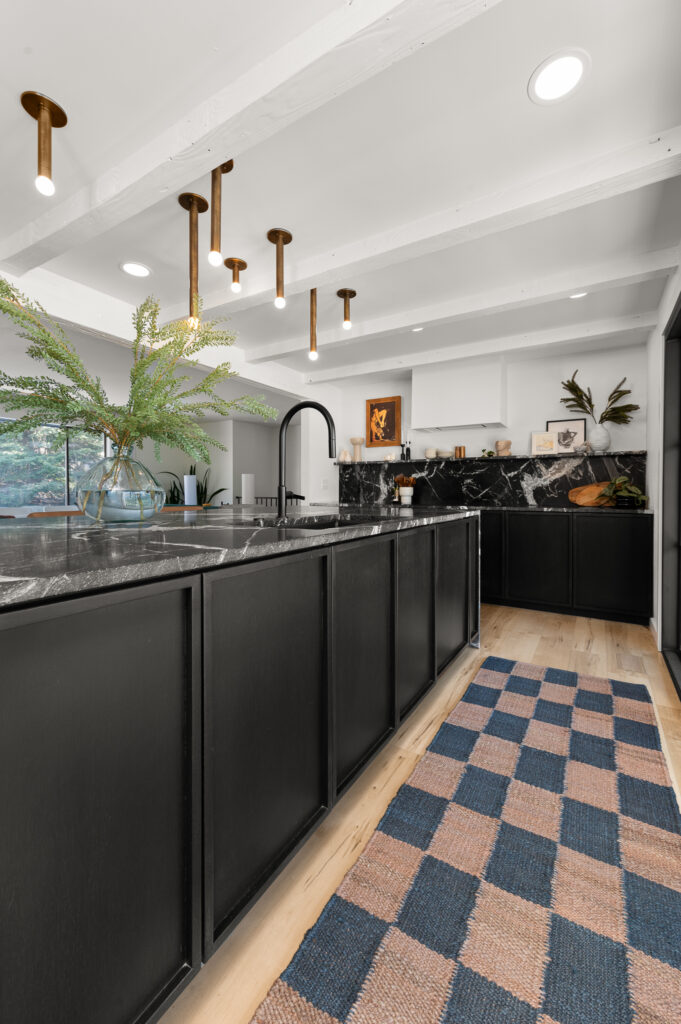
Remodeling is an opportunity to address the root causes,
not just cover them up.
Heat: Summers Are Getting Serious
Coeur d’Alene and the surrounding communities regularly see summer temperatures in the mid-to-upper 90s. The summer of 2021 was the hottest on record across the Inland Northwest, with communities including Sandpoint, Bonners Ferry, and Priest River all registering their all-time hottest summers that year. KXLY Older homes in the region were rarely built with that kind of heat in mind. Insulation was minimal, attic ventilation was an afterthought, and windows were single-pane by default.
The practical result is homes that are expensive to cool, hard on HVAC systems, and genuinely uncomfortable during peak summer weeks. Remodeling offers the chance to address that: adding insulation to attic spaces and exterior walls, upgrading to windows that actually manage solar gain, and making sure that any additions or converted spaces are held to the same standard as the rest of the home.
Pests That Stick Around All Year
One of the less-discussed realities of North Idaho’s climate is that the winters, while cold, don’t consistently get cold enough for long enough to wipe out pest populations the way many homeowners assume.
Carpenter ants are the most important structural insect pest in many areas of the Pacific Northwest, known for building nests in crawl spaces, attics, and walls, and are particularly common in homes near forested land. Pacific Northwest Pest Management HandbooksTermites are active year-round in the
Northwest, finding warm underground conditions in fall and continuing to feed through winter while waiting for spring temperatures to send new colonies out to establish nearby. Pnwpestcontrol Rodents are a year-round concern as well, particularly in homes near wooded areas or agricultural land.
The connection between pest pressure and moisture damage is tight. The same gaps, rotted wood, and unsealed penetrations that let water in tend to let pests in as well.
Remodeling with an eye toward sealing those vulnerabilities, replacing compromised framing, addressing crawl space conditions, and closing off entry points, is one of the most practical long-term investments a homeowner can make.
Aging Homes: Real Character, Real Challenges
Much of North Idaho’s housing stock reflects the region’s history. Logging communities, small towns, lakeside cabins that became year-round residences, homes built by hand in eras when code requirements were minimal or nonexistent. These homes have character that newer construction often can’t replicate. They also carry the accumulated deferred maintenance and outdated systems of their age.
Older wiring, galvanized plumbing that’s well past it’s service life, undersized electrical panels, and foundations that were never intended to carry additions or significant structural loads are all common findings in homes throughout the region. A remodel that addresses only the visible surfaces while leaving aging systems in place is one that’s setting the homeowner up for significant problems in the near future. The goal is always to understand what’s actually in the walls before deciding what to do with them.
Structural Stability in a Varied Landscape
North Idaho’s terrain is part of its appeal, but it also creates structural considerations that flat-terrain markets don’t face in the same way. Sloped lots, expansive soils in some areas, and foundations that have been shifting quietly for decades are all realities that show up in home assessments throughout the region. Sticking doors, cracking drywall, and uneven floors are often the first signs that a home is moving in ways that need to be understood before remodeling work begins.
This is one of the reasons we rely on our own in-house crews rather than coordinating a rotating cast of subcontractors. When the people doing the work are the same people who walked the site and assessed the structure, there’s accountability at every stage, and no gaps where something gets noticed but never communicated. Structural assessment at the outset of any significant remodel isn’t optional. It’s the foundation on which everything else is built.
The Patchwork Problem
North Idaho has a strong tradition of self-reliance and DIY problem-solving. That’s genuinely admirable, and plenty of homeowners have done excellent work maintaining their own properties over the years. But a significant number of homes in the region also carry the evidence of repairs and modifications that weren’t done to a professional standard: framing changes that compromised load paths, plumbing reroutes that create ongoing drainage issues, electrical work that was never permitted and doesn’t meet current safety standards.
None of this is unusual. Homes get fixed with what’s available, by whoever’s around, in whatever way seems to work at the time. The challenge is that these layered repairs create complexity that has to be untangled before real remodeling work can proceed. That discovery process takes time and honesty, which is part of why we build projects on a fixed bid. We’d rather do the work upfront to understand what we’re dealing with and give you a number you can count on, than hand you surprises halfway through a job.
Remodeling That Respects Where You Live
North Idaho homeowners tend to have a long-term relationship with their properties. People here aren’t usually flipping. They’re staying. That makes the case for remodeling that’s genuinely built to last even stronger. The investment in doing it right, addressing moisture, updating aging systems, reinforcing structure, and using materials that can handle the full range of what our climate delivers, pays off in a home that holds its value, stays comfortable, and doesn’t become a recurring source of expensive problems.
We’ve been doing this work in the Inland Northwest for over 20 years, and we back every project with a 2-year warranty, double the industry standard. Not because we’re required to, but because we think that’s what standing behind your work actually looks like. If you’re planning a remodel in North Idaho, we’re glad to start with a conversation about what your home actually needs, not just what it looks like on the surface.
Sources
- Coeur d’Alene Press, Snowfall Records and History: https://cdapress.com/news/2012/nov/19/its-either-feast-or-famine-in-coeur-dalenes-5/
- KXLY, Summer 2021 Hottest on Record Across Inland Northwest: https://www.kxly.com/news/regional-news/summer-2021-was-the-hottest-in-spokane-ever/article_b9d0be46-3af0-5598-b675-689de838d6bd.html
- Pacific Northwest Pest Management Handbooks, Oregon State University, Carpenter Ants: https://pnwhandbooks.org/insect/structural-health/wood-infesting-insect/wood-infesting-ant
- Pacific NW Pest Control, Termites in the Northwest: https://www.pnwpestcontrol.com/are-termites-a-problem-in-the-fall-in-the-nw/